Which Old Testament Law still apply to Christians?

Which Old Testament Laws Still Apply to Christians?
When we read the Old Testament, some commands can leave us wondering what to do with them.
Do they still apply to Christians or were they just for Israel at the time?
Are we disobeying God if we don't follow them exactly?
We're not called to take every command given to Israel and copy it directly into Christian life. Some commands governed Israel's worship or life as a nation under God's covenant, the relationship he established with that people.
We can't decide that a command has nothing to teach us just because it was given long ago. We need to understand its purpose and how Jesus changes our relationship to the law.
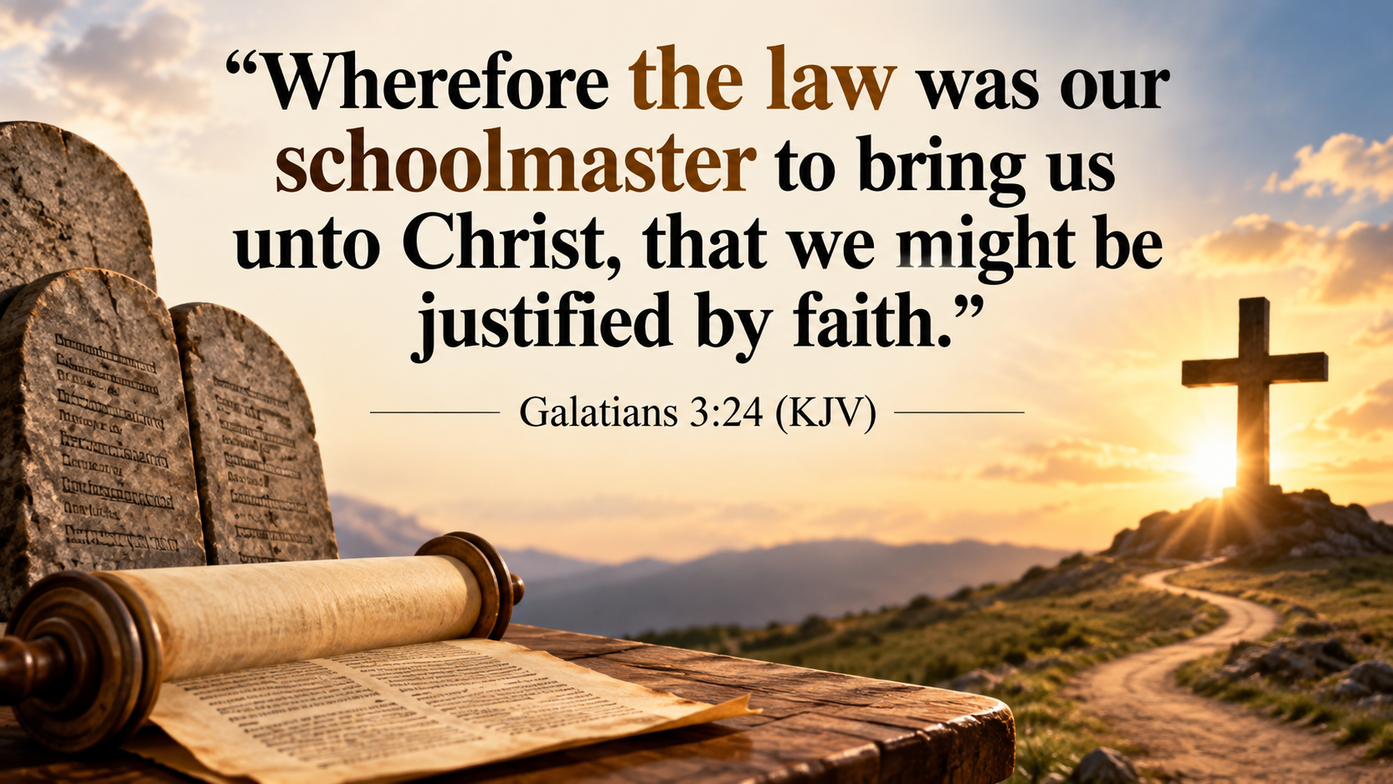
Paul begins by helping us understand what the law does. It reveals sin and shows us that we can't make ourselves righteous before God.
In Romans 3, he explains that knowing God's commands exposes our guilt, but keeping them can't erase that guilt. All of us have sinned.
Being justified means being made right with God, and we receive that freely through Jesus by faith.
That means we should never treat the Old Testament like a checklist for earning God's acceptance. If keeping laws could give us life, we wouldn't need Jesus.
The law removes our confidence in our own goodness and points us toward faith in him.
Jesus also tells us why we should keep reading the Old Testament:
"Think not that I am come to destroy the law, or the prophets: I am not come to destroy, but to fulfil."
Matthew 5:17 (KJV)
Jesus accomplished what the law pointed toward. Through his death for our sins, he provided the salvation our obedience could never earn.
We don't have to complete his work by keeping enough commands.
Paul follows the opening verse with this:
"But after that faith is come, we are no longer under a schoolmaster."
Galatians 3:25 (KJV)
The law has led us to Christ. We don't remain under it as the governing covenant God gave Israel.
Yet the law still reveals God's holiness and the seriousness of sin. Trusting Jesus doesn't make dishonesty or cruelty acceptable.
The question is more than whether a command appears in the Old Testament. We need to ask how that command applies in light of Jesus and the teaching given to Christians.
A command governing Israel's national life isn't automatically a rule for the church. God's concern for justice still matters in how we treat someone today.
This keeps us from using the law to earn salvation or throwing away part of God's Word because a command feels unfamiliar. We obey God because we've been saved by grace, not because we're trying to save ourselves.
When a Command Leaves You Unsure
Choose the command that's been troubling you and read the surrounding passage. Identify who received it and what it required in their situation.
Then look at how Jesus and the New Testament address that subject, rather than assuming the ancient instruction transfers unchanged. If the connection is unclear, bring the passage to your pastor and ask for help understanding it.
You can take God's Word seriously without treating every unanswered question as a threat to your acceptance in Christ.
PRAYER
Father God, sometimes I read a command I don't understand and wonder whether I've missed something I must do to be accepted by you.
Today I trust Jesus rather than my ability to keep every rule.
Help me understand your Word and respond to what you teach me without turning obedience into a way to earn your love.
In Jesus' mighty name we pray. Amen.