Does Following Jesus Mean Giving Up Everything I Enjoy?
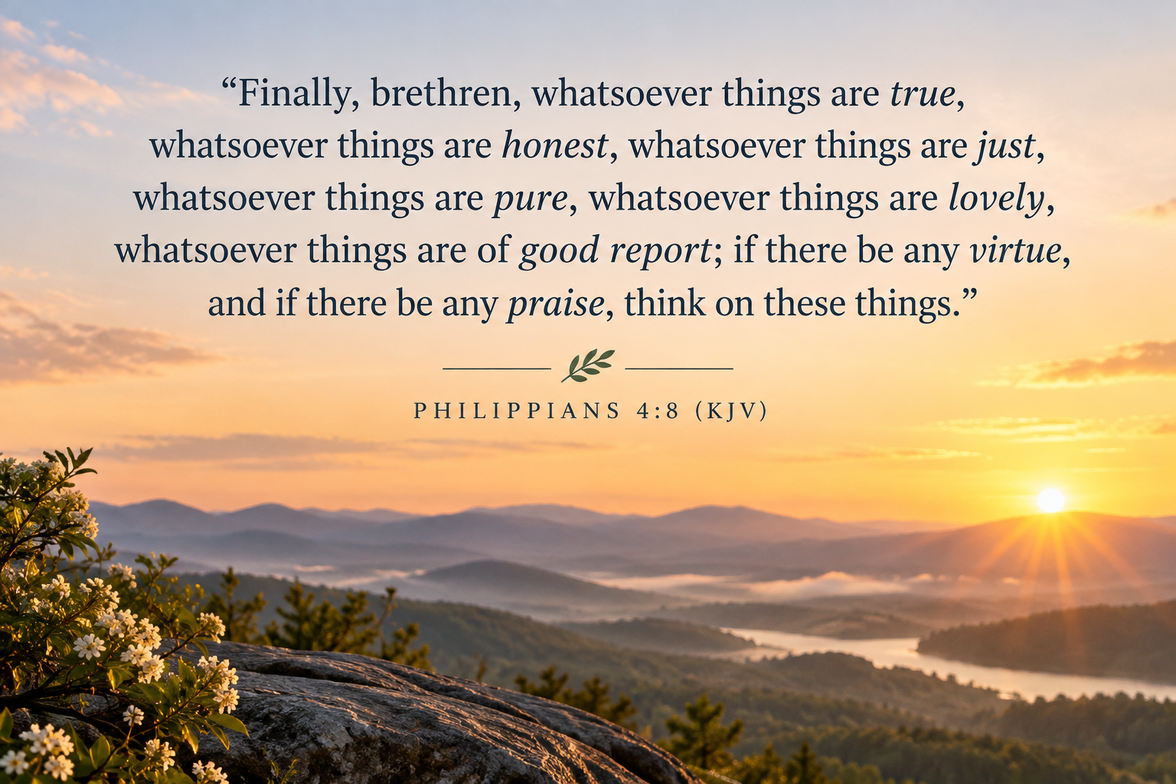
“Finally, brethren, whatsoever things are true, whatsoever things are honest, whatsoever things are just, whatsoever things are pure, whatsoever things are lovely, whatsoever things are of good report; if there be any virtue, and if there be any praise, think on these things.”
Philippians 4:8 (KJV)
New believers do this all the time. Inside of a month they're walking through their whole life with a trash bag.
The music goes. The shows go.
The hobbies go.
They want to honor God, and every one of those decisions feels holy while they're making it.
It makes sense that they do it. What we keep feeding our minds shapes what we want and what starts to feel normal to us.
A month later, a lot of them describe the same feeling. They took off one pair of handcuffs and put on another pair, just religious ones with a little more decoration on them.
Paul is the man who wrote most of the New Testament, and he watched this same thing happen to a church in Colosse. He mocked the whole system in three words.
"Touch not; taste not; handle not."
Colossians 2:21 (KJV)
He says rules like that have a shew of wisdom in will worship.
"Shew" means "show." "Will worship" means religion a man invented himself.
It looks like wisdom from the outside, and Paul says it has no real power against the flesh at all.
Read that slow. You can give up every single thing you enjoy and still not be one inch closer to God, because giving things up was never what brought anybody close.
Even when your heart is right, if you're handing things over to prove something to God, you're performing. Performance is tainted no matter how sincere the person doing it is.
Everybody treats Philippians 4:8 like a filter for what to avoid. Look at how the verse actually ends.
"...think on these things."
Paul gives direction here. The command isn't "avoid these things." It's "think on these things." He isn't fencing your life in, he's telling you what your mind should dwell on.
That changes the question completely.
The question was never whether something is allowed. The question is what you are dwelling on.
Look at his six words, because two of them don't mean today what they meant when the King James was written. "Honest" there isn't about telling the truth.
It means "honorable," the kind of thing that carries weight and dignity. "Of good report" means it has a good reputation, the kind of thing you wouldn't be embarrassed to be caught enjoying.
Notice that Paul didn't use the word Christian anywhere in that list. True, honest, just, pure, lovely, of good report.
Paul had every chance to put a label on that list and he didn't.
Here's how to use Philippians 4:8 today:
Choose one piece of entertainment you return to often and compare its message with Philippians 4:8. If you're unsure about its effect on your mind, bring that specific example to the word of God.
PRAYER
Father God, I want to honor You with what I give my attention to.
Keep me from calling everything outside church sinful, and keep me from using freedom to excuse what is harming me.
Show me what the things I enjoy are feeding in my mind.
When my feelings say something is harmless, help me compare that feeling with Your Word.
Thank You that I don't have to prove myself to You with a perfect list.
Give me wisdom and a clear conscience as I choose what deserves my attention.
In Jesus' mighty name we pray. Amen.